
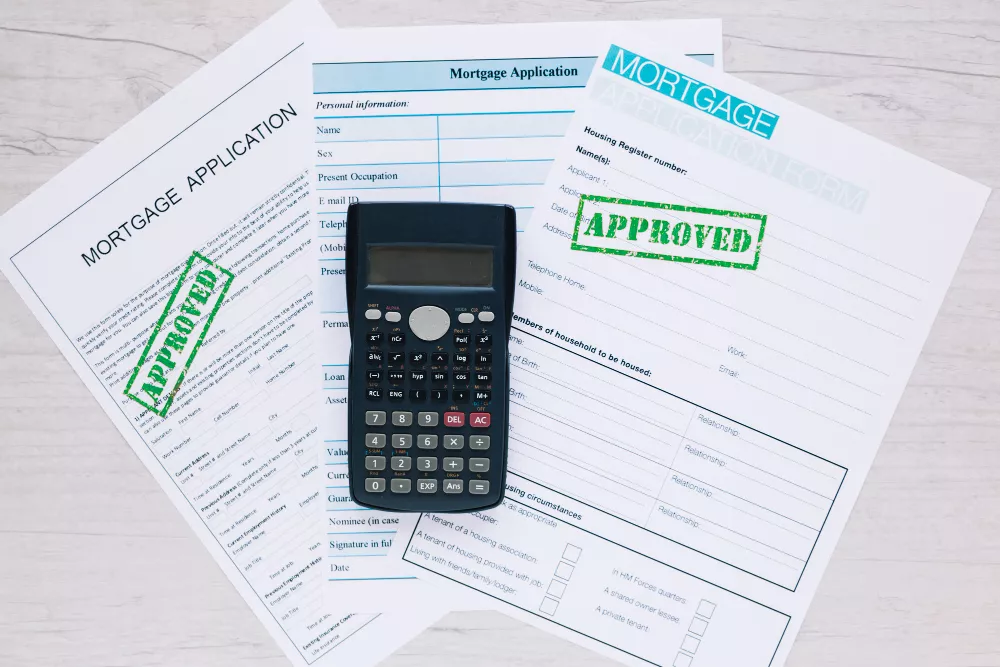
Self-Assessment tax returns in Loughton apply to people whose income is not fully taxed through PAYE. This includes sole traders, business partners, landlords, people with Capital Gains Tax, higher earners with Child Benefit charges, and anyone asked by HMRC to file. Filing is done through HMRC online or by paper return, using income records, expense details, bank interest, dividends, rental income and pension information.
Self-Assessment deadlines follow UK HMRC rules. First-time filers register by 5 October, paper returns are due by 31 October, online returns and tax payments are due by 31 January, and second payments on account are due by 31 July where required. Common mistakes include missing income, claiming wrong expenses, filing late, paying late, using poor records and ignoring payments on account.
Self-Assessment tax deductions reduce taxable profit by allowing valid business costs, such as office costs, travel, staff wages, materials, professional fees and premises costs. After submission, HMRC provides a tax calculation and statement showing the tax due, payments made and any balance owed. Taxpayers must keep records and correct errors within HMRC’s allowed time frame.
A Self-Assessment accountant in Loughton helps check income, expenses, tax reliefs, records, deadlines and payment dates before filing. Accountant support reduces HMRC penalty risk, improves record keeping, supports valid expense claims and makes the filing process less stressful for sole traders, landlords, directors and higher earners.
Who must file a Self-Assessment tax return in Loughton?
People in Loughton must file a Self-Assessment tax return when HMRC needs tax details that PAYE has not covered. This includes sole traders with more than £1,000 in income before expenses, business partners, people with Capital Gains Tax and people who need to pay the High Income Child Benefit Charge outside PAYE.
A return may also be needed for rental income, freelance income, dividends, savings interest, or other untaxed income. HMRC also requires a return if it sends a notice to file. A local accountant in Loughton checks income, expenses, tax reliefs and records before filing. This helps reduce errors, missed claims, late penalties and tax payment issues.
How do you file a Self-Assessment tax return in Loughton?
You file a Self-Assessment tax return in Loughton through HMRC, either online or by paper return. Most people file online through a Government Gateway account. HMRC says online filing opens after 6 April, once the tax year has ended. First-time filers must register for Self Assessment before using the online service.
The process starts with your Unique Taxpayer Reference, income records, expense details, bank interest, dividend income, rental income and pension details. Enter the figures, check the tax calculation, submit the return, then pay the tax due by the deadline. HMRC says early filing helps you see the tax bill sooner and plan payment before 31 January.
A Loughton accountant helps check records, claim valid expenses, file the return and reduce errors before submission. This supports clear tax records, correct HMRC reporting and fewer late-filing risks.
What are the Self-Assessment tax return deadlines in Loughton?
Self-Assessment tax return deadlines in Loughton follow the same HMRC dates used across the UK. The main online filing and tax payment deadline is 31 January after the tax year ends. For the 2024 to 2025 tax year, HMRC set the online filing and payment deadline as 31 January 2026.
The key dates are simple:
- 5 October: register for Self Assessment if you are filing for the first time.
- 31 October: send a paper tax return.
- 30 December: file online if you want HMRC to collect tax through your PAYE tax code, where eligible.
- 31 January: file the online tax return and pay the tax due.
- 31 July: make the second payment on account, if HMRC asks for one.
Late filing or late payment may lead to HMRC penalties and interest. A Loughton accountant helps track deadlines, prepare records, submit the return and plan tax payments before the due date.
What Self-Assessment tax return mistakes should you avoid?
Self-Assessment tax return mistakes to avoid include missing income, using wrong expense figures, filing late, paying late and leaving out records that support the return. Loughton taxpayers must report all taxable income, including self-employed income, rental income, dividends, savings interest and foreign income where it applies. HMRC says undeclared taxable income must be reported through Self Assessment.
Common mistakes include:
- Missing the HMRC deadline: Late filing or late payment may lead to penalties and interest.
- Leaving out income: All taxable income must match the tax year records.
- Claiming wrong expenses: Expenses must relate to business, work or rental activity.
- Using poor records: Bank statements, invoices, receipts and mileage logs support the return.
- Ignoring payments on account: Some taxpayers must pay tax in two advance instalments.
- Not checking the final return: Wrong figures, wrong dates or missing pages may change the tax bill.
HMRC says a filed tax return may be corrected within 12 months of the Self Assessment deadline. Early checks help fix errors before penalties, extra tax or payment issues arise.
How can Self-Assessment tax deductions reduce tax liabilities?
Self-Assessment tax deductions reduce tax liabilities by lowering the income or profit that HMRC taxes. For a Loughton sole trader, allowable business costs reduce taxable profit before Income Tax and National Insurance are worked out. HMRC says self-employed people deduct allowable expenses from business income to work out taxable profit.
Common Self-Assessment deductions include:
- Office costs: stationery, phone bills and software.
- Travel costs: fuel, parking, train fares and business trips.
- Staff costs: wages, subcontractors and employer costs.
- Stock and materials: goods bought for resale or work use.
- Professional fees: accountancy, legal fees and insurance.
- Business premises costs: rent, rates, heat and light.
Capital allowances also reduce taxable profits when a business buys equipment, machinery or business vehicles. A Loughton accountant checks each cost, keeps records, claims valid reliefs and avoids wrong claims. This helps reduce the final tax bill while keeping the return in line with HMRC rules.
What happens after you submit a Self-Assessment tax return?
After you submit a Self-Assessment tax return, HMRC gives you a Self-Assessment statement and a tax calculation. The statement shows what you owe and what you have paid. The tax calculation, also called an SA302 or tax computation, shows the tax due for the year. You then pay any Income Tax, National Insurance, Capital Gains Tax and payments on account shown on the bill. HMRC says the Self-Assessment tax bill must be paid by 31 January after the tax year.
After filing, keep your tax records, receipts, invoices, bank statements and expense proof. Check the return if you used estimated figures or later find an error. HMRC says you have 12 months from the Self-Assessment deadline to change the return. A Loughton accountant checks the final bill, payment dates, records and correction needs. This helps keep the return accurate and reduces the risk of late payment, interest or penalties.
What are the benefits of a Self-Assessment accountant?
A Self-Assessment accountant helps Loughton taxpayers file a clear, correct tax return with fewer errors. They check income, expenses, tax reliefs, records and payment dates before the return goes to HMRC. Self Assessment is the system HMRC uses to collect Income Tax from people and businesses with income not taxed at source.
The main benefits include:
- Accurate tax figures: An accountant checks income, costs and profit before filing.
- Valid expense claims: Self-employed people report allowable business expenses on their Self Assessment return. HMRC says proof and records must be kept if HMRC asks to see them.
- Better record keeping: Sole traders and business partners must keep business income and expense records for Self Assessment.
- Deadline control: HMRC says late filing or late payment may lead to interest and penalties.
- Error correction support: HMRC allows a tax return correction within 12 months of the Self Assessment deadline.
A Self-Assessment accountant in Loughton saves time, reduces tax risk and keeps the return aligned with HMRC rules. This helps sole traders, landlords, company directors and higher earners manage tax with less stress.
How can a Self-Assessment accountant help avoid HMRC penalties?
A Self-Assessment accountant helps avoid HMRC penalties by filing the tax return on time, checking the tax bill and keeping records in order. HMRC charges penalties when a taxpayer sends a Self-Assessment tax return late or pays the tax bill late. The first late filing penalty is £100. Further penalties apply after 3 months, 6 months and 12 months.
Key support includes:
- Deadline checks: The accountant tracks the 31 January online filing deadline and payment date. For the 2024 to 2025 tax year, the online return deadline is 31 January 2026.
- Correct tax figures: They check income, expenses, reliefs, rental income, dividends and business profit before submission.
- Payment planning: They confirm the amount due, payment date and any payments on account.
- Record checks: They keep invoices, receipts, bank statements and expense records ready for HMRC checks.
- Error control: They review the return before filing and help correct mistakes after filing.
A Self-Assessment accountant in Loughton reduces late filing risk, late payment risk and record errors. This keeps the return aligned with HMRC rules and helps taxpayers avoid extra costs.
How can an accountant reduce Self-Assessment tax return stress?
An accountant reduces Self-Assessment tax return stress by managing the records, figures, deadlines and HMRC submission process. They check income, expenses, tax reliefs, rental income, dividends and business profits before the return is filed.
Key support includes:
- Record checks: An accountant reviews invoices, receipts, bank statements and expense notes.
- Clear tax figures: They work out taxable profit, tax due and payment dates.
- Deadline tracking: They help manage the 31 January online filing and payment deadline.
- Expense claims: They check which business costs and tax reliefs apply.
- HMRC support: They deal with tax return questions, corrections and HMRC notices.
- Payment planning: They help plan for tax bills and payments on account.
A Self-Assessment accountant in Loughton saves time, reduces errors and gives taxpayers a clear filing process. This helps sole traders, landlords, directors and higher earners manage tax with less pressure.


